
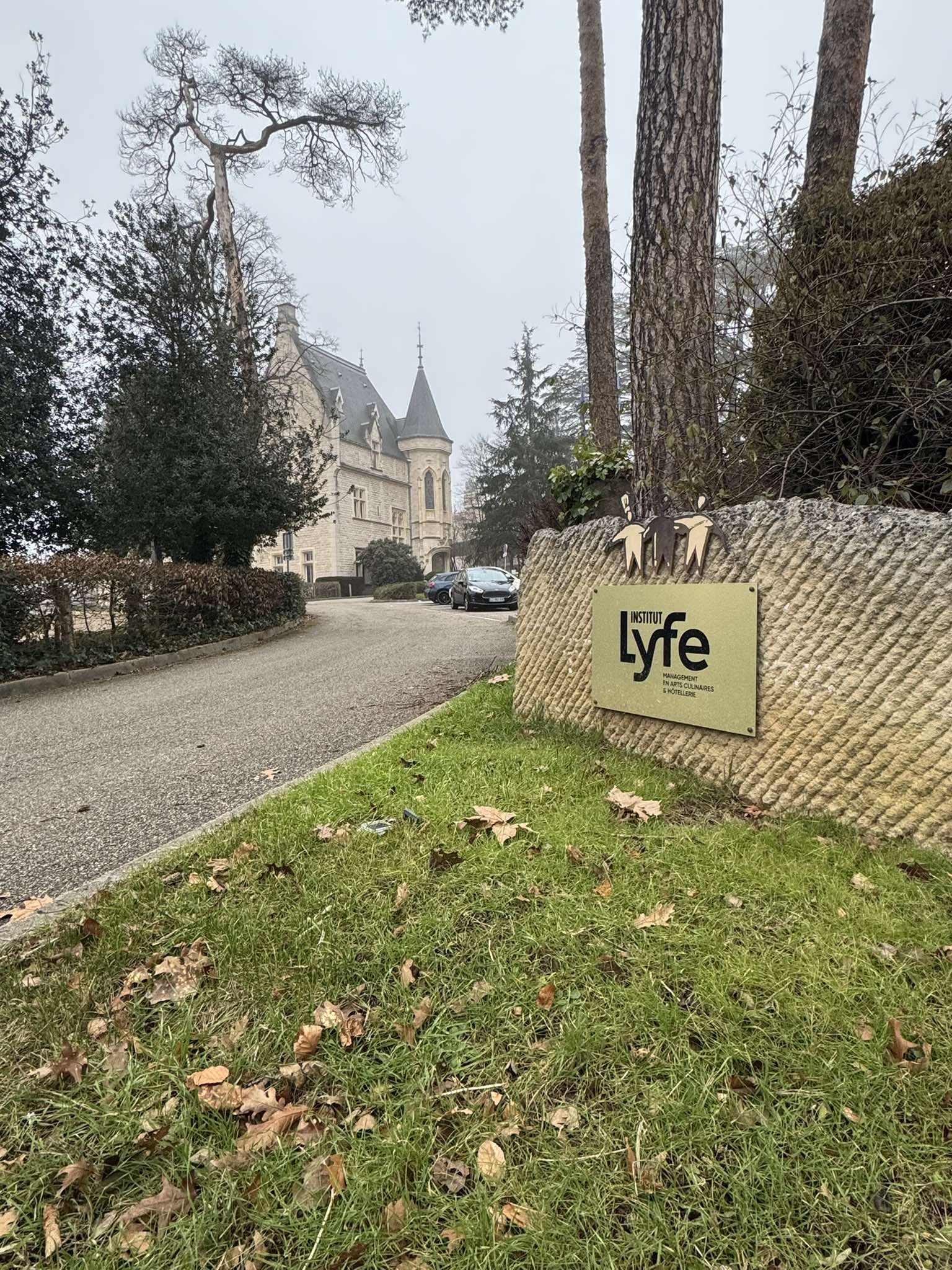
As part of an international research internship at Centre De Recherche De L’Institut LYFE in France, we worked on using selected Polish products in modern culinary concepts. The whole process was based on a Living Lab approach, which combines product development with real consumer feedback at each step.
At the beginning, we analyzed Polish ingredients such as fermented cabbage, fermented pears, dried mushrooms, dried plums, aronia concentrate, and haskap (kamchatka) berry concentrate. Together with a focus group of French consumers, we discussed these products in detail — what dishes they could be used for, what tastes and ideas they are associated with, and whether they are better for sweet or savory meals. This first „pre-consumer” stage helped us understand how these ingredients are perceived in another country and how they could be adapted.
Based on these discussions, we created first recipe ideas. Then, the culinary team from LYFE turned these ideas into real dishes. After that, we organized tasting workshops where consumers could try the dishes and give feedback about taste, texture, appearance, and how they see these products in everyday use or in restaurants.
In total, we developed four recipes:
- Mushroom velouté with haskap berry foam,
- Empanadas with fermented cabbage and tofu-aronia sauce,
- Basque cheesecake with aronia coulis and apple chips,
- Chou craquelin with haskap berry cream and caramelized hazelnuts.
All these dishes were evaluated in terms of flavor balance, texture, key ingredient intensity, and presentation. After collecting feedback, we made some improvements, for example, adjusting the flavor strength or changing ingredients to improve texture or appearance.
At the final stage, we met again with consumers to discuss when and how they would eat these dishes — as snacks, desserts, or main meals. Consumers also gave important suggestions on how to improve the recipes to make them more acceptable and practical for real life.
From all ideas, we selected dishes with the highest market potential for further consumer testing.
The internship gave us a full view of how to develop new food products — from ingredient analysis, recipe design, to consumer testing — using a Living Lab model. This method allows testing ideas directly with consumers, which helps to create products that better meet market expectations.