
The project is already delivering visible results. Through its implementation under the Horizon Europe programme, we are developing advanced skills in co-creation and consumer research, which we actively apply in our networking initiatives.
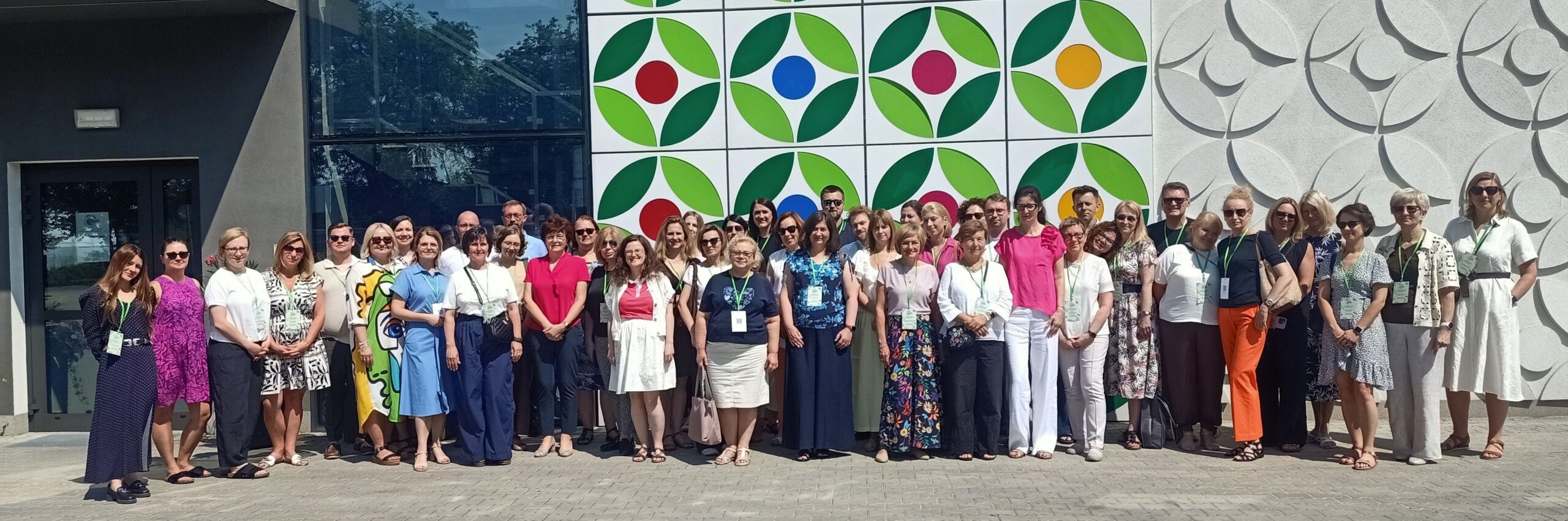
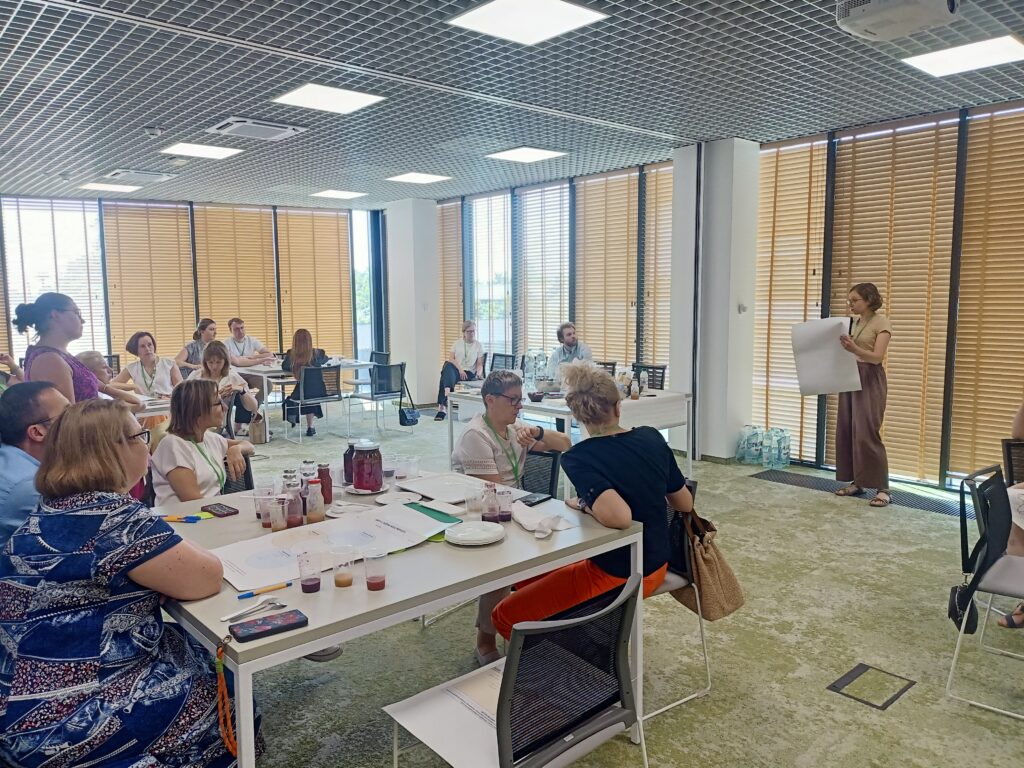
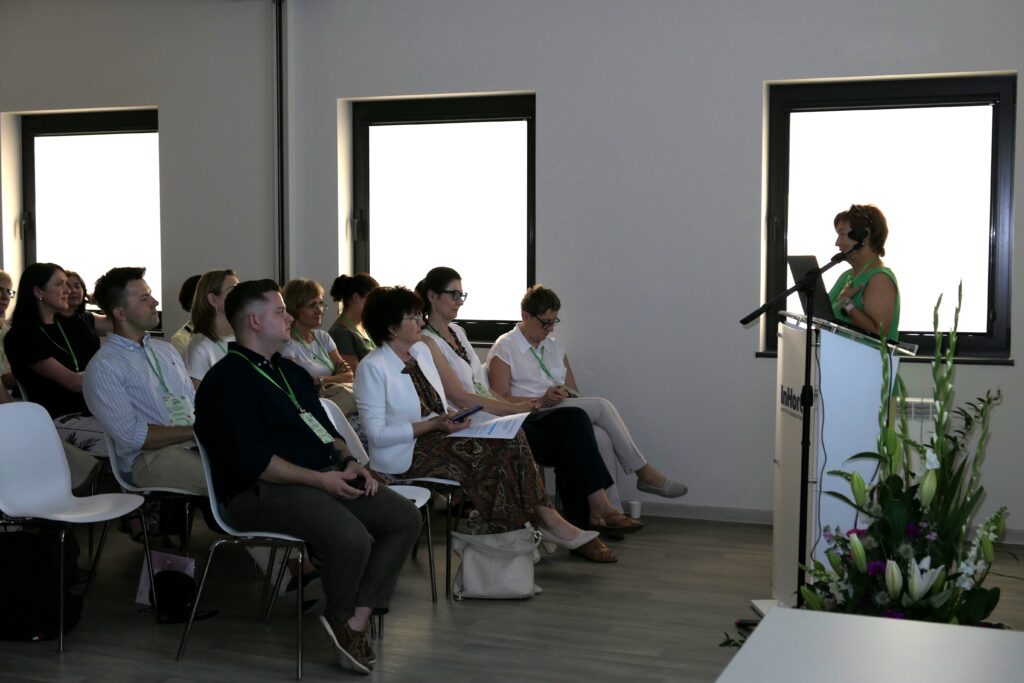
Recently, we had the opportunity to lead co-creation workshops at CPPO (Horticultural Product Processing Centre in the Institute of Horticulture – National Research Institute) during the Seminar of the Sensory Analysis Section of the Polish Society of Food Technologists (PTTŻ). This event provided an excellent platform for collaboration, exchange of experience, and the joint development of new ideas with participants.
Food product design should not begin solely with a recipe, processing technology, or the question: “What can be made from this?” Instead, the starting point should be the consumer—their needs, constraints, life situation, purchasing habits, and the context in which the product is selected, prepared, and consumed.
In practice, a product does not exist only in a laboratory or within a technical specification. It ultimately reaches individuals who operate under time and budget constraints, manage households, and draw on prior experiences with similar products. Therefore, in food design, it is essential to consider not only whether a product is technically correct and shelf-stable, but also whether consumers understand how to use it, when to use it, and why they would choose it again.
The first stage of our workshops focused on evaluating product categories. Participants analysed potential meanings, associations, applications, and barriers linked to specific product groups. The objective was to move beyond viewing products solely as sensory objects and instead consider them within the broader context of consumer behaviour.
Subsequently, participants worked with products and accessories arranged on a workshop table. This setup served as a structured framework for generating concepts, exploring combinations, and developing consumption scenarios. It enabled a transition from general ideas to more specific questions: Who would benefit from this product? What can it be combined with? In what context would it be used, and which consumer need does it address?
A key element of the workshops was the introduction of a strict time limit, deliberately designed to encourage rapid idea organisation and decision-making. This constraint reflects real-life consumer conditions, where limited time necessitates quick evaluation of a product’s usefulness. Features meaningful to technologists must therefore be translated into clear and immediate consumer benefits.
We assumed that time pressure promotes intuitive solutions—those that consumers can easily associate with familiar situations and everyday habits. The goal was to design products, usage methods, and communication strategies in a way that aligns naturally with daily routines, such as meals, snacks, convenience needs, or moments of pleasure and practical decision-making.
In the next stage, participants translated product features into consumer benefits and formulated initial positioning concepts. This is where sensory analysis, product design, and market practice intersect effectively. A well-established principle applies here: feature – benefit – value.
Feature – defines what a product is.
Benefit – explains what the feature offers the consumer.
Value – clarifies why the consumer perceives it as worthwhile.
In the food sector, value does not necessarily refer to financial gain. It may involve saving time, improving convenience, simplifying meal preparation, increasing acceptance within the household, reducing food waste, enhancing a sense of security, or providing clarity in usage—“I know how to use this.”
This approach aligns closely with the Living Lab concept—a user-centred model of open innovation based on co-creation, testing, and evaluation in conditions that closely reflect real-life use. It goes beyond involving consumers in the assessment of finished products and instead integrates them into earlier stages, where concepts are tested against real needs, limitations, and behaviours.
From this perspective, sensory analysis extends beyond evaluating taste, aroma, appearance, and texture. It becomes a tool supporting early-stage design processes, context definition, barrier recognition, value creation, and market positioning.
The aim of our workshops was not to develop finished recipes or fixed implementation strategies. Instead, we sought to share the Living Lab approach applied in our laboratory and to present product innovations developed in the HortiFoodTrends project. We highlighted sensory analysis not only as an evaluation method but as a critical component in the creation of food innovations within a user-centred framework.
We would like to thank all participants for their openness, engagement, and active contribution. We wish you—and ourselves—continued success in building meaningful and productive collaborations.
Yours sincerely,
The HortiFoodTrends Team